Type to search. Use arrow keys to navigate results. Press enter to view all results.
Sport-specific footwear is designed around the exact movements, surfaces, and demands of a single sport, giving athletes the traction, support, and performance edge that general athletic shoes can't match. The right pair improves grip, protects against injury, and helps you move more efficiently in your sport. Below is a breakdown of the most common categories and what sets each one apart.
Football Cleats Football cleats are built for explosive starts, hard cuts, and physical contact on grass or turf fields. They feature studs or spikes on the outsole for grip, along with reinforced uppers and ankle support to handle the demands of the game. Styles vary by position: linemen often wear high-top cleats for maximum ankle support, skill players favor mid-cut cleats for a balance of support and mobility, and receivers or defensive backs typically choose low-cut cleats for speed and agility. You'll also find separate options for natural grass (with longer, removable studs) and artificial turf (with shorter, molded studs).
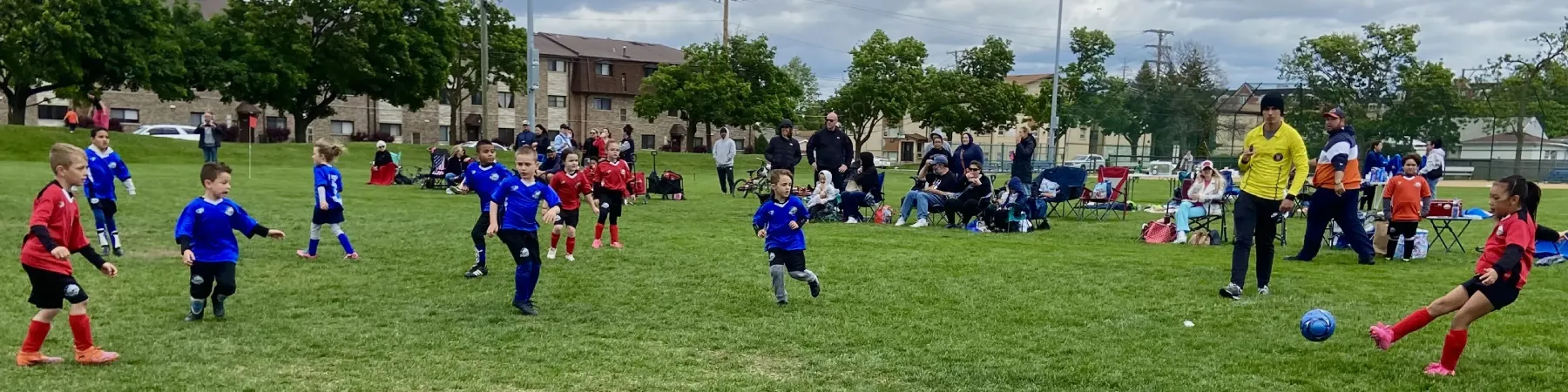
Soccer Cleats Soccer cleats are designed for speed, ball control, and quick directional changes, with a low-cut design and a sleek upper that helps you feel the ball. Unlike football cleats, they have no toe stud, which keeps the strike zone clean for shooting and passing. The right pair depends on the surface: firm ground (FG) cleats work on most natural grass fields, soft ground (SG) cleats have longer studs for wet or muddy conditions, artificial ground (AG) cleats are built for modern turf, and indoor or futsal shoes have flat rubber soles for hard courts.
Track & Field Spikes Track and field spikes are ultra-lightweight shoes with removable metal or ceramic pins in the forefoot, built to grip the track and maximize every push-off. They're highly specialized by event, since sprinting, distance running, and field events all demand different things. Sprint spikes have a stiff plate and aggressive spike layout for explosive speed, middle-distance spikes balance grip with a bit of cushioning, and distance spikes add more cushion for longer races. Field event spikes are tailored to the event itself, with specific designs for high jump, long jump, javelin, and throws.
Basketball Shoes Basketball shoes are built for the quick cuts, jumps, and lateral movement of the game, with strong ankle support, responsive cushioning, and grippy rubber outsoles designed for indoor courts. The cut of the shoe is the biggest style difference: high-tops offer the most ankle support and are popular with post players, mid-tops balance support and mobility for all-around players, and low-tops prioritize speed and agility for guards. Cushioning technology also varies, with some shoes built for impact protection on landings and others tuned for court feel and quickness.
Golf Shoes Golf shoes are designed for stability through the swing and traction on grass, with features that keep your feet planted as you rotate through the ball. They come in two main styles: spiked golf shoes have soft plastic cleats on the outsole for maximum grip, especially in wet conditions, while spikeless golf shoes use a textured rubber outsole that works on the course and off, making them more versatile for walking the clubhouse or driving range. Many modern golf shoes also blend athletic-sneaker styling with waterproof materials for all-day comfort in any weather.
Indoor Rock Climbing Shoes Indoor rock climbing shoes are specialized footwear designed to grip plastic holds, smear against walls, and give you precise control on small footholds. Unlike regular athletic shoes, they have sticky rubber soles, a snug fit, and often a downturned shape that channels power to your toes.